
01
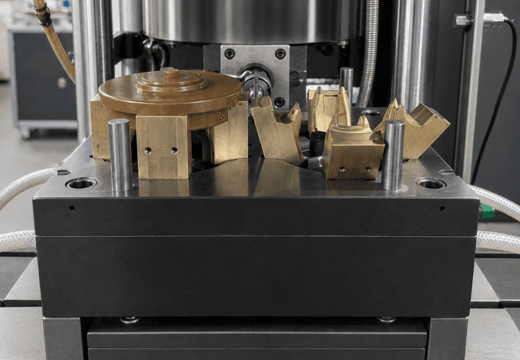
Tooling Design & Development
Our engineering team develops precision tooling using advanced Design for Manufacturing (DFM) principles, ensuring optimal casting quality, dimensional accuracy, and cost-effective production.
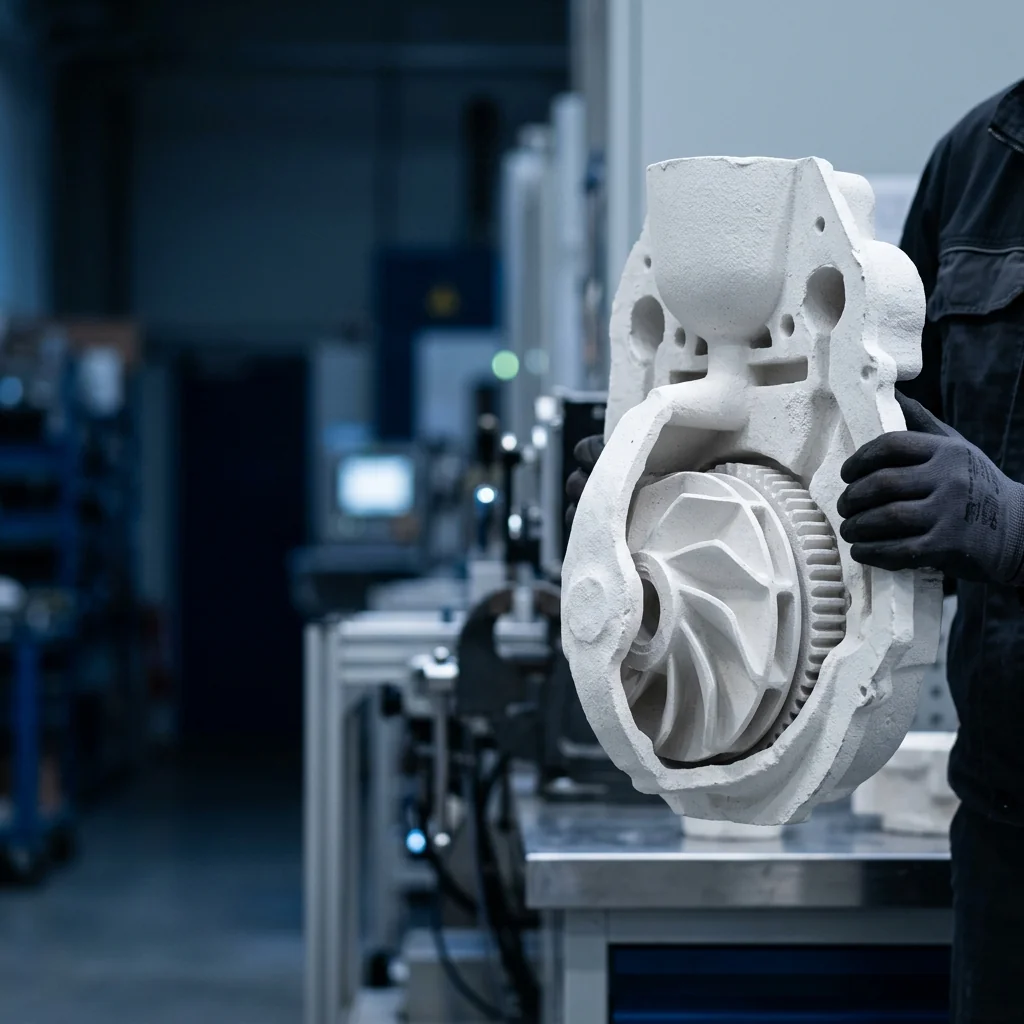
A validated 15-step manufacturing process designed to deliver extraordinary dimensional accuracy and excellent surface quality for critical applications.
A proven 15-step manufacturing process delivering dimensional accuracy and surface quality for critical applications.
01
Our engineering team develops precision tooling using advanced Design for Manufacturing (DFM) principles, ensuring optimal casting quality, dimensional accuracy, and cost-effective production.
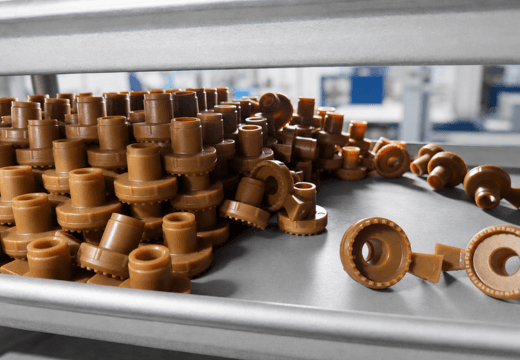
02
High-precision wax patterns are injected into reusable dies to create exact replicas of the final component, ensuring consistent dimensions and repeatability.
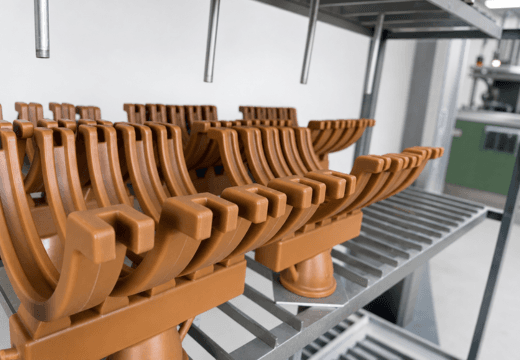
03
Individual wax patterns are assembled onto a central runner system to form a casting tree, maximizing production efficiency and metal yield.
04
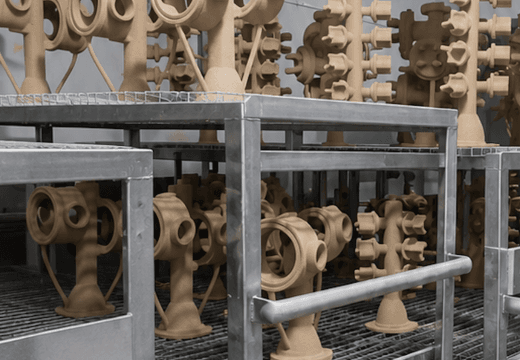
Multiple ceramic coating and sand stucco layers are applied to create a robust, heat-resistant shell capable of withstanding molten metal temperatures while preserving intricate details.
05
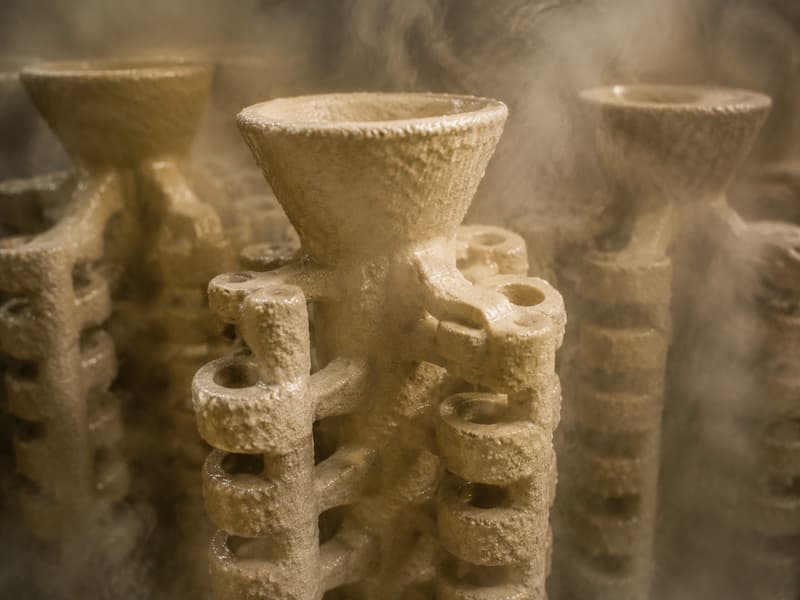
The ceramic shell is heated to remove the wax pattern, leaving behind a precise cavity that accurately replicates the desired component geometry.
06
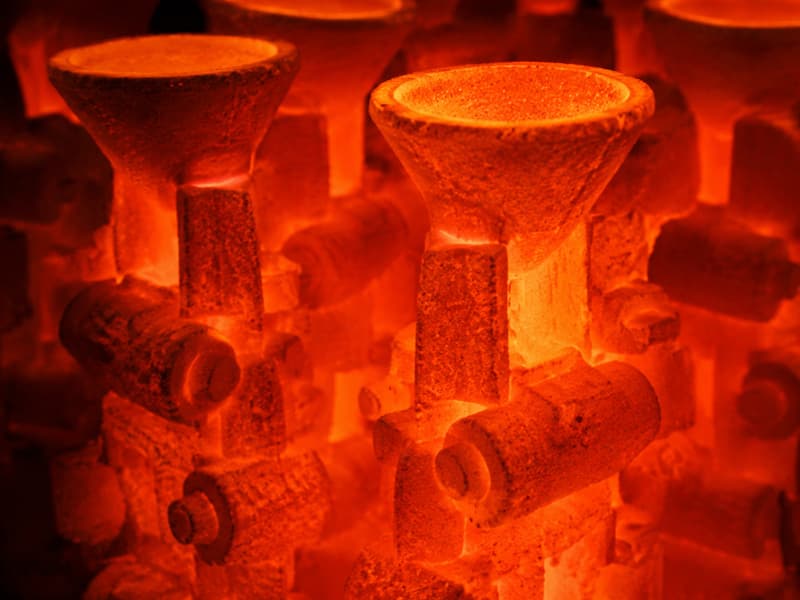
Ceramic shells are preheated to high temperatures to eliminate residual moisture, enhance metal flow, and minimize casting defects during pouring.
07
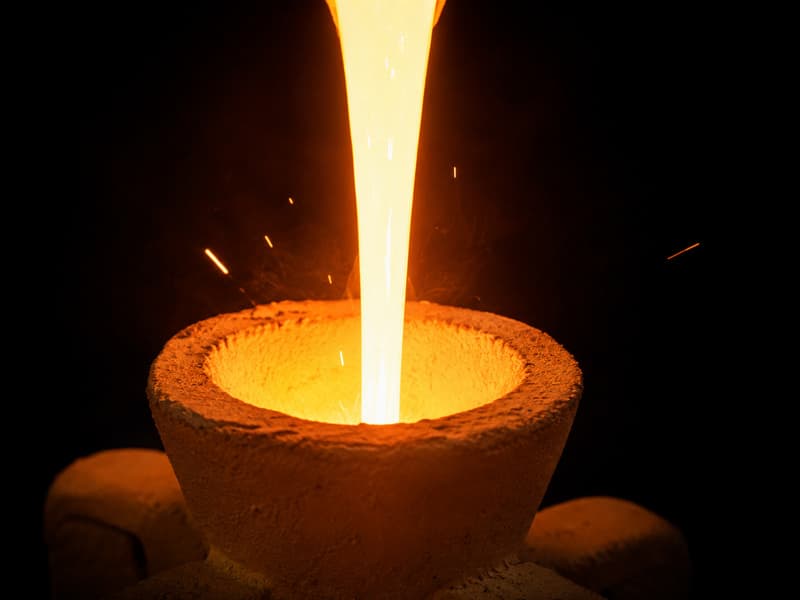
Selected alloys are melted under carefully controlled conditions and poured into the preheated ceramic moulds to produce high-integrity castings with superior metallurgical properties.
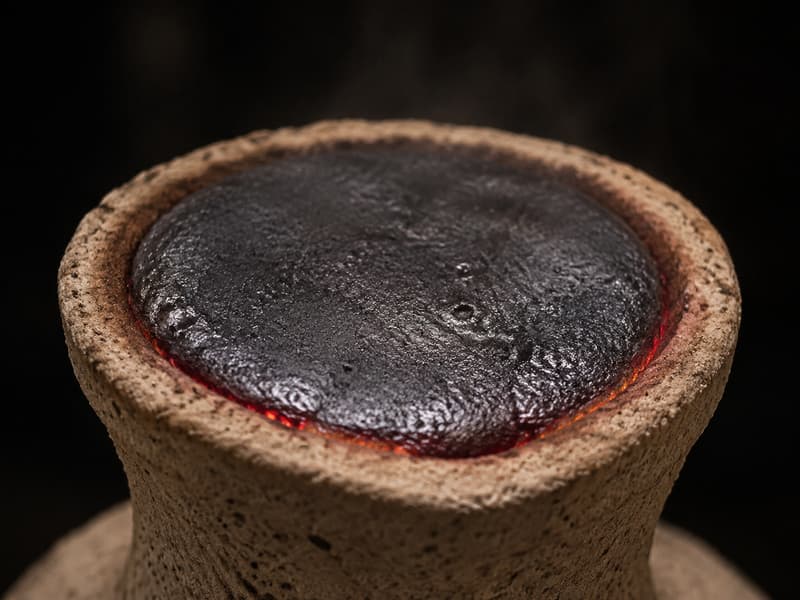
08
Carefully controlled cooling ensures uniform solidification, enhanced material integrity, and reduced internal stresses.
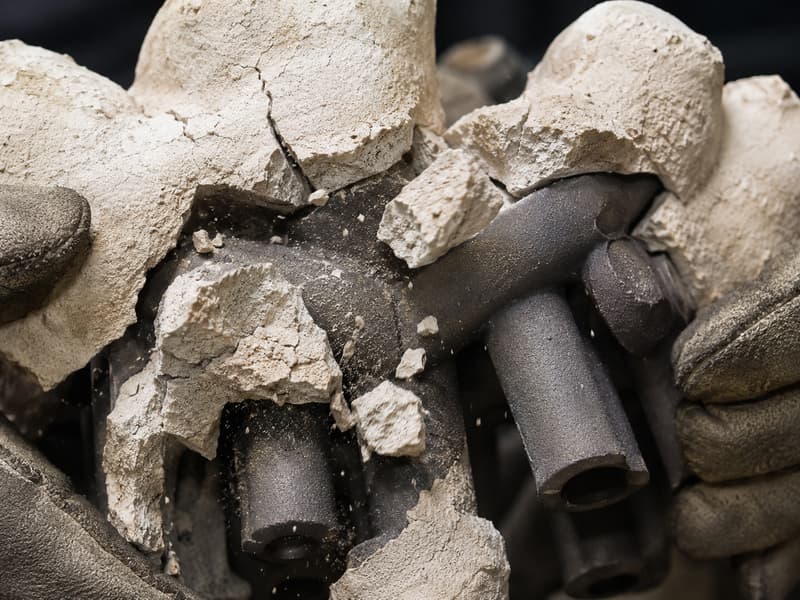
09
After solidification, the ceramic shell is carefully removed to reveal the cast component while preserving its dimensional accuracy and surface finish.
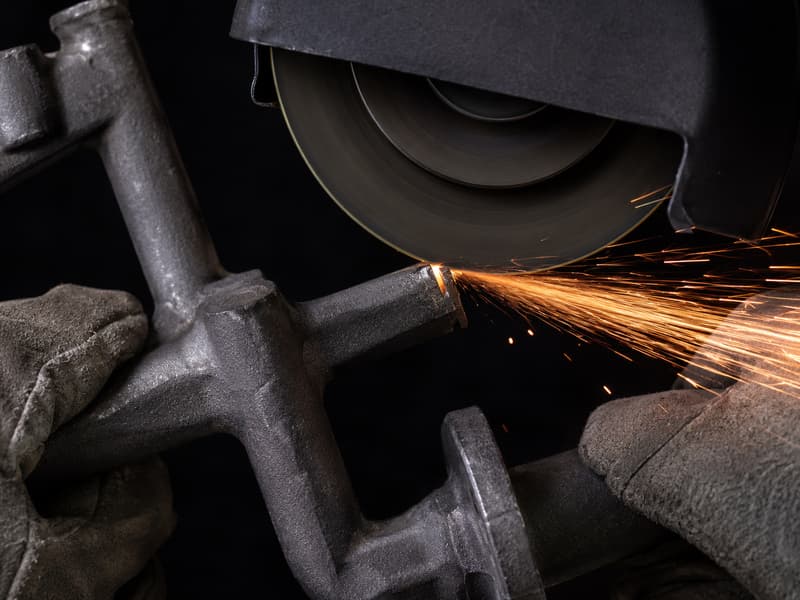
10
Casting gates, runners, and excess material are removed, followed by grinding, blasting, and surface finishing to achieve the required surface quality and prepare the component for further processing.
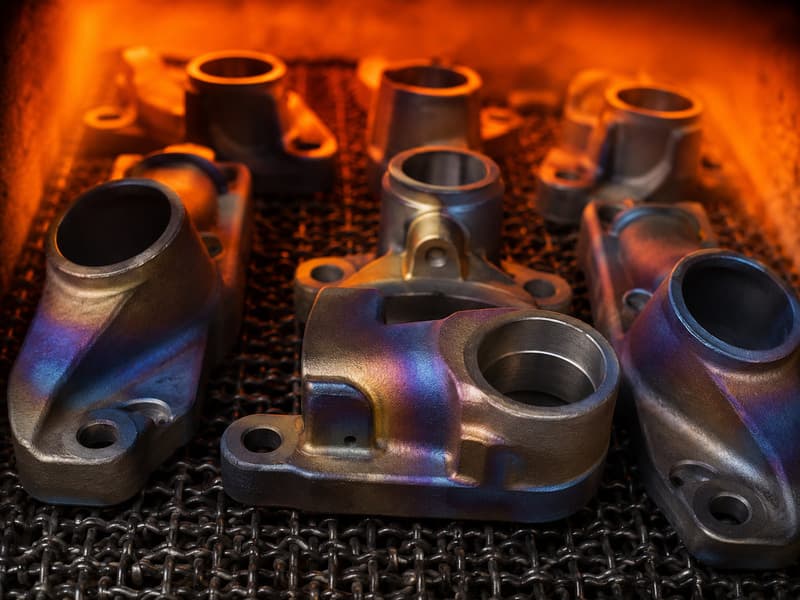
11
Controlled heat treatment enhances the mechanical properties of the casting, improving strength, hardness, toughness, and overall performance based on application requirements.
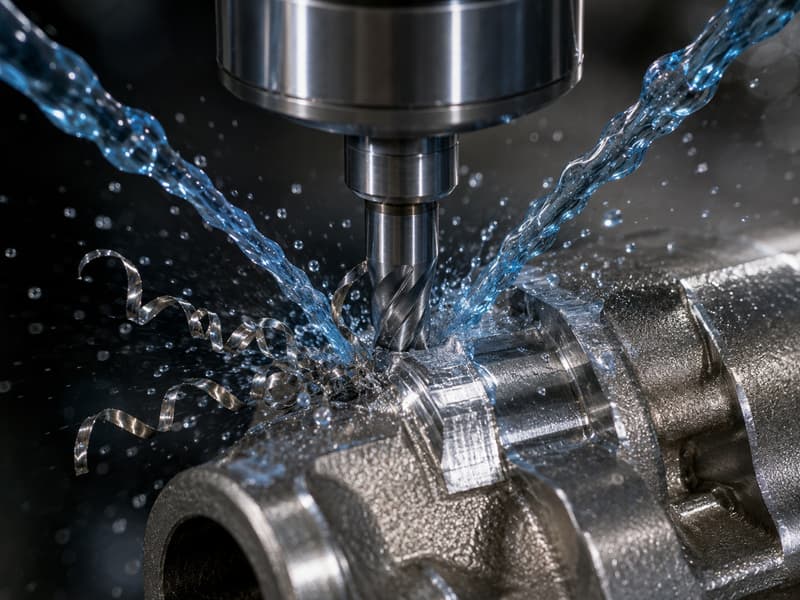
12
Advanced CNC machining delivers tight tolerances, precision features, and superior surface finishes to meet exact customer specifications.
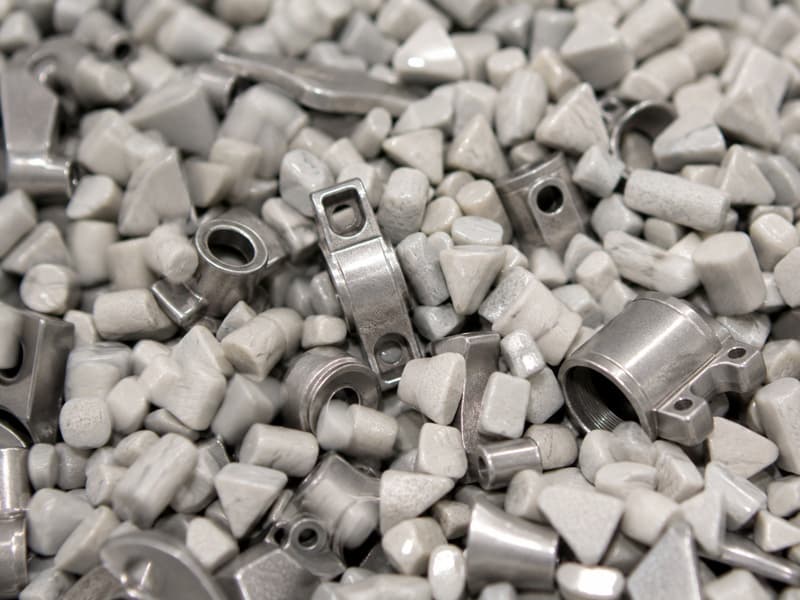
13
Finishing processes deliver the desired surface quality, dimensional precision, and corrosion-resistant appearance.
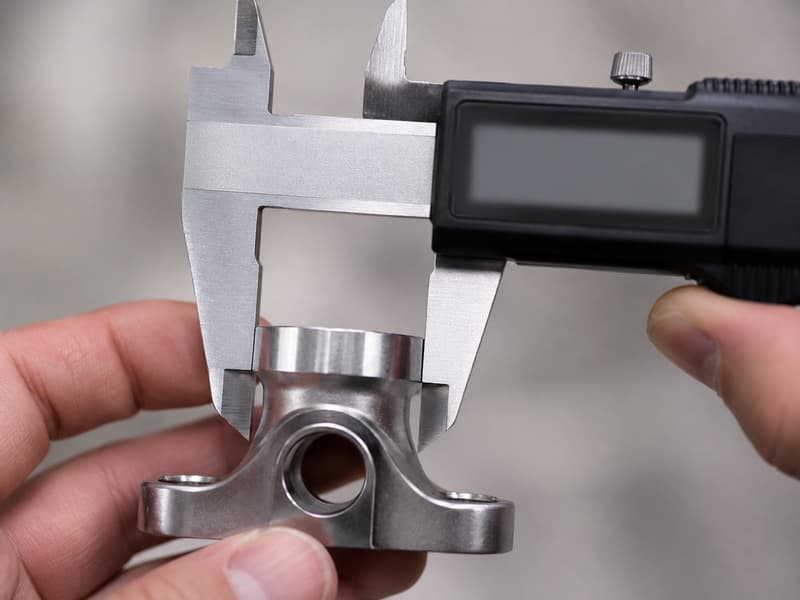
14
Every casting undergoes rigorous quality inspection to ensure compliance with customer specifications before secure dispatch.
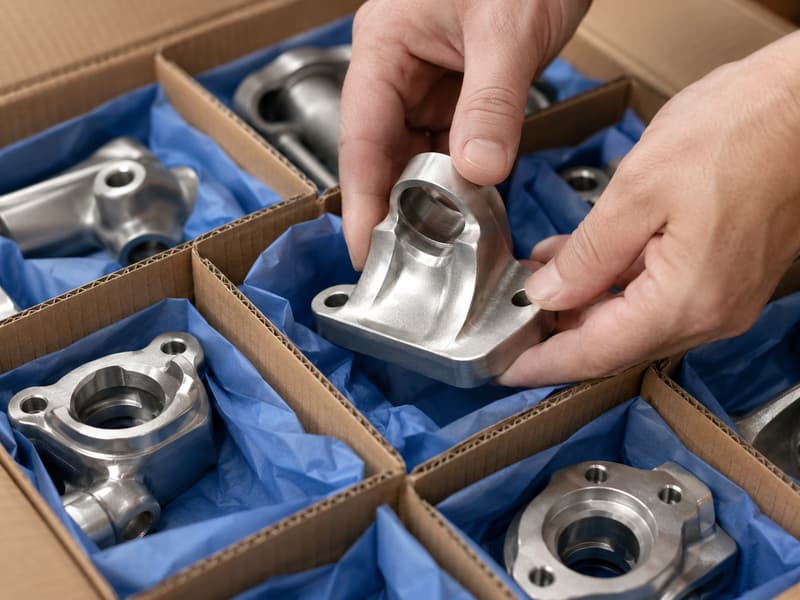
15
Every casting undergoes rigorous dimensional, visual, and quality inspections before secure packaging and on-time dispatch, ensuring components are delivered ready for immediate use.
Advancements which allow us to achieve geometries impossible with standard casting methods.
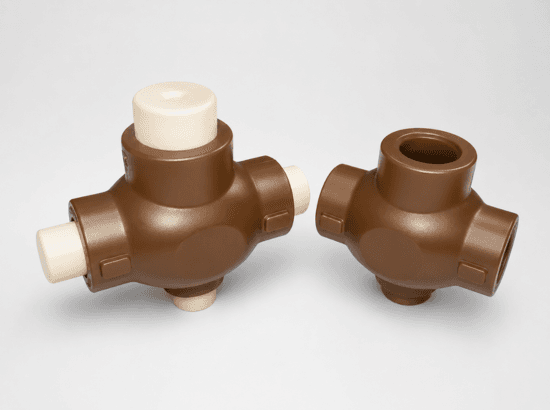
Enables the production of intricate internal passages and hollow geometries that are impossible with conventional cores, reducing machining, minimizing material waste, and delivering exceptional dimensional accuracy.
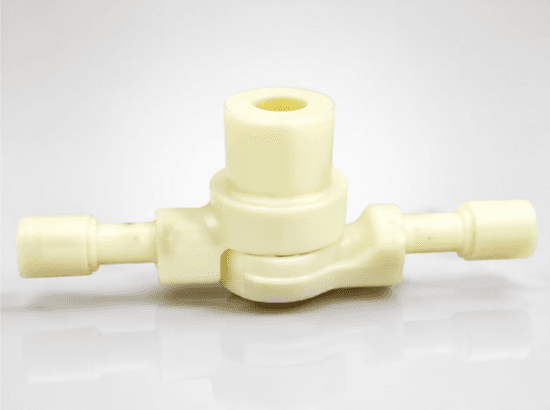
Enables the production of intricate internal passages with lower than 10mm diameter and hollow geometries that are impossible with conventional investment casting process, reducing machining, minimizing material waste, and delivering exceptional dimensional accuracy.
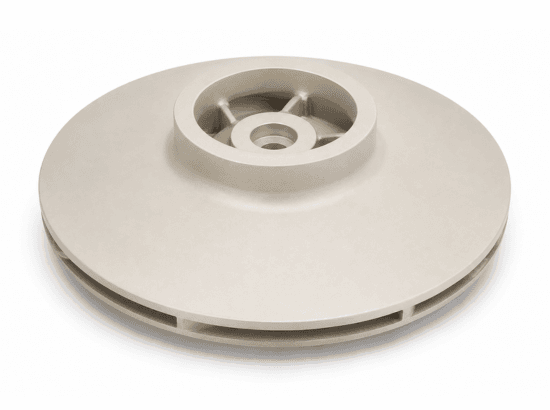
Facilitates the casting of highly complex internal cavities, making it ideal for closed impellers, defence, EGR valves and other high-performance engineering applications.
| Parameter | Value |
|---|---|
| Weight Range | 20 Grams to 50 Kgs |
| Dimensional Tolerance | As Cast: As per IS 11166/VDG P690, Machining: Less than 20 Microns |
| Surface Finish | As Cast - Max 3.2 Ra, Machining - 0.4 Ra |
Answers to the questions engineers and procurement teams ask most often before issuing an RFQ.
Don't see your question? Contact us
Our team of technical professionals are ready to assist you with your next intricate project. Check the detailed quote within 24 hours.